Dispose Biohazardous Wastes the Right Way
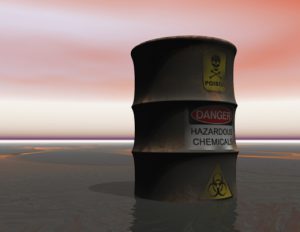 When you see a biohazard sign, it immediately signals that something bad is inside and lets you know to keep a safe distance. In fact, when most people see a biohazard sign they are instantly alerted to the danger that lies inside. What exactly is inside: potentially life-threatening and dangerous materials!
What Is Biohazardous Waste?
Any waste material that contains either infectious materials or potentially infectious materials. There are four different types of biohazardous waste including liquid, solid, sharp, and pathological.
- Liquid: Blood and bodily fluids.
- Solid: Non-sharp items that came in contact with human or animals specimen materials like tissue or bodily fluids. This could be gloves worn while drawing a patient’s blood or towels used to clean up vomit.
- Sharp: Anything sharp enough to puncture the skin that came in contact with the potentially infectious material. This could include needles and scalpels or even broken glass that is covered in blood after an accident.
- Pathological: Any organs, tissue, or body parts that have been removed from a human or animal.
Why Is Biohazardous Waste Harmful?
Each year 16 billion injections are administered, but not all of the needles are disposed of properly. The result is potentially unsafe, even life-threatening materials exposed to the public and the environment.
- Biohazardous waste could contain diseases that threaten anyone who comes in contact with it.
- When not disposed of properly, the entire community is at risk of being exposed to and even contracting these serious diseases and pathogens.
- Furthermore, some of the practices commonly used to dispose of biohazardous waste (such as incineration) release pollutants into the air that have widespread negative consequences.
How To Safely Dispose Of Biohazard Waste
Each of the four types of biohazardous waste requires specific and meticulous disposal guidelines that must be followed to ensure the safety of not only those handling the materials but the entire community and environment.
- Solid Waste: Should be collected in a designated container with a lid labeled clearly with a biohazard symbol. If decontaminated prior to disposal, it can be sent to an approved landfill as regular medical waste. Otherwise, it must be handled by an approved waste management company for decontamination and disposal.
- Liquid Waste: Should be collected in a leak-proof container secured against tipping and clearly marked with a biohazard symbol. Most liquid waste is treated with bleach or autoclaving before being disposed of.
- Sharp Waste: Should be collected in a designated “sharps” container that is resistant to puncture and leaks. A medical waste contractor can pick up sharps and dispose of them properly.
- Pathologic Waste: Should be double-bagged and stored in a container similar to liquid waste. Incineration is the most common method to dispose of pathologic waste.
What If I Have Biohazardous Waste At Home?
There are many potential circumstances that might lead to biohazardous waste in the home. For example, a diabetic patient may require multiple insulin injections and thus have used sharps and needles. Also, a household accident leading to a serious cut could leave a significantly blood-soaked garment or towel in the home. Can you just toss these things in the household trash? NO!
Disposing Syringes/Needles At Home
- Always use a sharps container that is puncture-proof and leak-proof.
- Never overfill a sharps container.
- When your sharps container is full, you can return it in a mail-back program, use a drop box at a doctor’s office or hospital, or bring to a local household hazardous waste collection site.
Blood-Soaked Products At Home
If there is an accident at home and you have blood-soaked garments, towels, bandages, etc., most of the time these items can be double bagged and sent to the regular household trash. Check with your local waste management company prior to disposal to be sure there are not specific instructions to follow.
We all must responsibly dispose ofbiohazardous and infectious wastes at home and be aware of the potential for improper disposal of other biohazardous wastes in the community to ensure safety for all. Irresponsible disposal of these materials can threaten the lives of humans and animals and affect the overall health of our environment. Be smart, Columbus!
 Has clutter turned your home from a tranquil place of rest to complete chaos? You don’t have to live in disorder! The path to a neater, more organized home could be five steps away…
 Did You Know?
 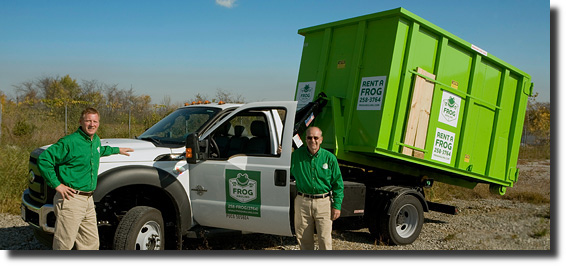 When it comes to the task of cleaning out and moving unwanted junk from our homes, no one is ever standing up jumping for joy to do the job. We often just keep putting it off until there is so much junk that our homes are nearly unusable anymore. We’re here to tell you: you don’t have to do it alone, we will help! We will even give you a bunch of great reasons to hire Frog Hauling to transport your junk for you to a new location.
 How do students spell graduation? P-A-R-T-Y. That’s right Columbus, it’s summer party season! Weddings, retirements, graduations, and family reunions are upon us and that means several months of nonstop parties. And what happens after the party? Okay, yes…the after party. After the after party? A BIG mess to clean up. That’s why Frog Hauling needs to be on the guest list at every big bash this summer!
 Wedded Bliss Without the Rubbish