You’ve got a project. Maybe it’s a bathroom gut, a garage cleanout that’s been on the list for three years, or a deck that finally lost the argument with Ohio winters. You know you need a dumpster, but you have absolutely no idea what size. Here’s the no-nonsense answer.
Why Getting Dumpster Size Right Matters More Than You Think
Choosing the wrong dumpster size is one of the most common — and most avoidable — mistakes Columbus homeowners make. Go too small and you’re paying for a second container, dealing with a delay, and watching your project stall. Go too large and you’ve rented capacity you’ll never fill.
According to the U.S. Environmental Protection Agency, construction and demolition debris — the category that includes everything from bathroom tile to old decking — generated an estimated 600 million tons in the United States in 2018 alone, more than twice the amount of all municipal solid waste combined. Home renovation is a massive contributor to that number. Getting your disposal right isn’t just a logistical win — for the environmentally conscious Columbus homeowner, it’s also a chance to minimize how much of that debris ends up in a landfill.
The good news: choosing the right container doesn’t require a construction degree. It requires knowing your project type, a rough sense of your debris volume, and a clear understanding of what goes in the bin.
How Dumpster Sizes Actually Work
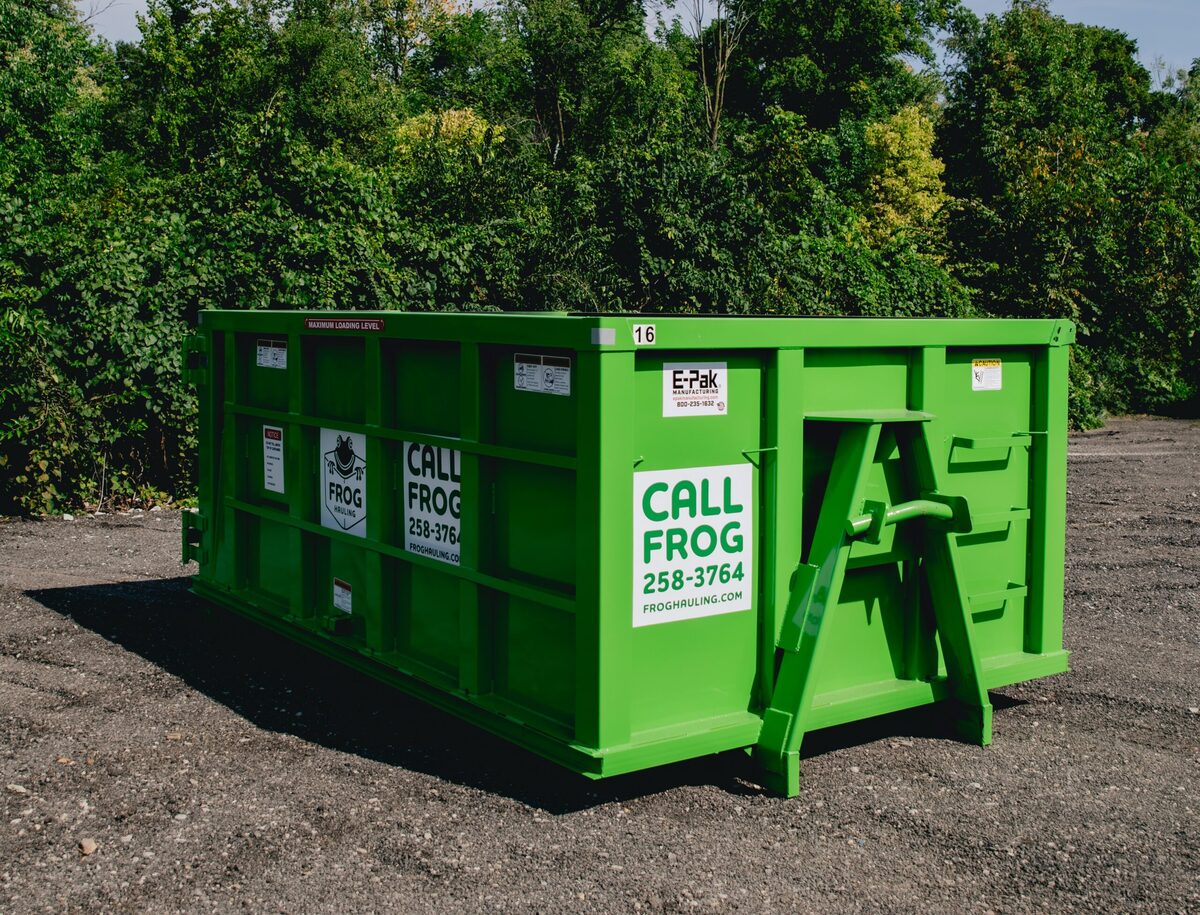
Before jumping to project types, a quick orientation on sizing language. Roll-off dumpsters are measured in cubic yards, and one cubic yard equals 27 cubic feet; roughly the size of a standard washing machine. The most common residential sizes run from 6 cubic yards on the compact end up to 30 cubic yards for large-scale jobs.
A simple way to visualize capacity is the pickup truck comparison. A standard full-size pickup truck bed holds roughly 2 to 3 cubic yards of debris. That means:
- A 6-yard dumpster holds the equivalent of about 2 to 3 pickup truck loads
- A 10-yard dumpster holds roughly 4 pickup truck loads
- A 13-yard dumpster holds roughly 5 to 6 pickup truck loads
- A 20-yard dumpster holds roughly 7 to 8 pickup truck loads
- A 30-yard dumpster holds roughly 10 to 12 pickup truck loads
One practical rule of thumb: estimate approximately one cubic yard of debris per average-sized room being renovated — then add a buffer of 20 to 30 percent, because debris always takes up more space once it’s broken apart than it did when it was intact. EPA’s Sustainable Management of Construction and Demolition Materials program notes that certain materials can be recovered for reuse rather than disposed of — a consideration that can meaningfully reduce your total debris load when planned for in advance.
Dumpster Size by Project Type: The Columbus Homeowner’s Breakdown
Small Cleanouts and Minor Projects (6 to 10 Cubic Yards)
These are the right-sized containers for projects that are defined in scope and light on debris. Think single-room declutters, a garage partial cleanout, yard waste from a weekend landscaping session, or a bathroom refresh where you’re swapping fixtures but not tearing down walls.
The 6-yard dumpster from Frog Hauling is the go-to choice for:
- Garage and basement partial cleanouts
- Light yard debris and brush removal
- Single-room junk hauls or furniture removal
- Attic cleanouts that don’t involve major structural material
- Small landscaping projects involving soil, mulch, or plant debris
A 10-yard container is a step up and works well for the same categories when there’s a bit more volume — like a full garage cleanout that includes old appliances and shelving, or a small roofing patch job where shingle weight is a factor. Because roofing materials are dense, a 10-yard container is often better than a larger one: it keeps the load within safe weight limits.
One important note: heavy materials like concrete, bricks, tile, and stone require advance notice and are subject to different handling policies. If your project involves any of these materials in significant quantity, call ahead before ordering.
Bathroom and Kitchen Remodels (13 to 20 Cubic Yards)
A bathroom gut — full tile removal, old vanity out, tub demo — produces more debris than most homeowners expect. Once tile is broken off a wall and old fixtures are removed, volume expands significantly. Demolition debris can increase three to four times in volume compared to how it looked when intact.
For a single bathroom renovation, a 13-yard container typically handles it cleanly. If you’re tackling a master bath with a lot of tile or combining it with flooring removal in adjacent rooms, sizing up to a 16 or 20-yard container is the smart call.
Kitchen remodels follow the same logic. Replacing cabinets, countertops, and flooring generates substantial volume. A mid-size kitchen renovation generally lands in the 16 to 20-yard range.
The key variable here is flooring. Old hardwood, laminate, or tile across multiple rooms adds up fast. If your remodel includes whole-floor flooring removal in addition to the primary project, account for that volume separately.
Full Home Renovation or Multi-Room Projects (20 to 30 Cubic Yards)
Whole-house projects — a flip, a complete interior renovation, or a multi-room remodel running concurrently — need serious capacity. These aren’t projects where you want to find out mid-job that you’ve underestimated.
The 30-yard dumpster from Frog Hauling is built for exactly these situations: full interior gut-outs, large-scale estate cleanouts, major addition work, or any project where multiple debris categories (drywall, flooring, cabinetry, structural wood) are coming out at the same time.
For multi-room projects, a good rule of thumb is to think in full-floor increments. A two-story home being renovated room by room will generate debris in waves. Planning container size around each phase — rather than trying to consolidate everything into one container — usually results in a smoother job.
Outdoor and Landscaping Projects (6 to 20 Cubic Yards)
Outdoor projects are the wildcard category, because the volume variance is enormous. Trimming hedges and hauling a season’s worth of yard waste? That’s a 6-yard job. Removing a mature tree with a large root system, tearing out a stamped concrete patio, or redesigning a large backyard with grading and excavation? That could easily reach 20 yards or more.
Yard waste is generally lighter by weight than construction debris, which means you can fit more of it into a given container without hitting weight limits. The exception, again, is soil and hardscape materials — gravel, stone, bricks, and concrete are dense and heavy, and they require a conversation with your hauler before they go in the bin.
For a standard deck removal on a typical Columbus suburban home, a 13 to 16-yard container is usually the right fit. Old pressure-treated wood is lighter than concrete but still adds up across a larger deck footprint.
Moving and Estate Cleanouts (13 to 20 Cubic Yards)
Moving cleanouts and estate situations are the category where homeowners most consistently underestimate the volume. The contents of a full home — furniture, appliances, old electronics, boxed items, garage contents — fill a dumpster faster than you’d think.
For a single-story home being fully cleared, plan on a minimum of 13 to 16 yards. A larger two-story or multi-level home with decades of accumulated belongings often needs a 20-yard container or larger.
One important practice for this project type: before anything goes in the container, sort through items that might have reuse value. Frog Hauling’s eco-friendly hauling service handles this directly when items are usable, they’re taken to an appropriate charity drop-off location at no extra charge. Metals, wood, plastic, and cardboard are sorted for recycling when possible, also free of charge. For the Columbus homeowner who cares about where their waste ends up, this matters.
What You Can’t Put in a Dumpster (and Why It Matters in Columbus)
This is the section most rental guides gloss over but it’s the one that trips up homeowners and creates surprise charges or policy violations. Columbus has specific guidelines about waste disposal, and knowing them before you load the bin saves real headaches.
Materials that cannot go into a standard residential roll-off dumpster:
- Hazardous waste of any kind (paint solvents, chemicals, pesticides, motor oil)
- Liquids of any kind
- Electronics and e-waste (these require separate recycling pathways)
- Certain appliances that carry a transportation fee due to refrigerants or other regulated components
- Asbestos-containing materials
Concrete, bricks, and other heavy materials require advance authorization from the hauling company due to weight restrictions. Intermixing certain waste types can also create problems — for example, mixing roofing shingles with household debris can affect disposal routing and costs.
The Solid Waste Authority of Central Ohio (SWACO) is the resource for Columbus-area residents on local disposal requirements, recycling locations, and household hazardous waste drop-off options. For anything that doesn’t belong in a standard roll-off container, SWACO’s website provides guidance on how to handle it responsibly.
For homeowners who want to keep recycling simple, Frog Hauling’s eco-friendly practices are worth understanding before your project starts. If recyclable items are bagged separately and loaded last in the container, the team can more easily sort and route them to the right facilities, keeping more material out of the landfill and supporting Frog’s ongoing partnership with the Solid Waste Authority of Columbus Ohio.
FAQs: Questions Columbus Homeowners Ask About Dumpster Sizing
1. What size dumpster do I need for a kitchen remodel in Columbus?
Most single-kitchen remodels fall in the 16 to 20-cubic-yard range, depending on whether flooring removal is involved and the overall square footage of the kitchen. If you’re removing cabinets, countertops, flooring, and old appliances simultaneously, sizing up to 20 yards gives you the margin to work without worrying about overflow.
2. Can I put concrete or brick in a regular roll-off dumpster?
Heavy materials like concrete, brick, tile, gravel, and stone require advance authorization and may need to be quoted separately. These materials are extremely dense, and loading them without clearing it with the hauling company first can result in overage charges or the container being too heavy to transport safely. Always call before your project starts if your debris includes significant hardscape material.
3. What happens if I underestimate and my dumpster fills up before the project is done?
You have two options: schedule a swap-out (the full container is picked up and a new one delivered), or order a second container. Either way, it adds cost and time. Sizing up by one level when you’re uncertain is almost always the more economical choice. If in doubt, go bigger.
4. How long can I keep a dumpster rental in Columbus?
Rental periods and daily rates vary by company and container size. Most residential projects complete within three to seven days. If your project runs longer — due to weather, phased demo, or contractor scheduling — confirm the extension policy and daily rate before you start so there are no surprises.
5. What’s the most eco-friendly way to handle my dumpster cleanout in Columbus?
Sort your debris before it goes into the container. Metals, cardboard, clean wood, and plastics can often be diverted from the landfill if separated. Bagging recyclables and loading them last makes it easier for the hauler to route them correctly. Working with a company that actively sorts for recycling and donates usable items, like Frog Hauling does in partnership with the Solid Waste Authority of Columbus Ohio, is the highest-impact choice for environmentally conscious homeowners.
The Right Dumpster for Your Columbus Project Is One Call Away
Here’s the truth about dumpster sizing: when you work with a company that actually talks to you rather than just processing an order, you don’t have to guess. A two-minute phone conversation with someone who knows Columbus neighborhoods, knows how much a typical bathroom demo produces, and knows the weight limits that apply to your specific debris type is worth more than any sizing chart.
We are Columbus’s eco-friendly dumpster rental company — locally owned, family operated, and in this business for nearly two decades. We don’t accept hazardous waste, we sort recyclables and donate usable items free of charge, and we work with the Solid Waste Authority of Columbus Ohio to make sure your cleanup leaves the smallest footprint possible.
Browse our full dumpster sizes and transparent pricing,order online in minutes, or call us at 614-258-FROG (3764). We serve Worthington, Westerville, Upper Arlington, Dublin, Gahanna, Bexley, Powell, and communities throughout the Columbus metro area and we’re ready to make your project cleanup simple, responsible, and done right.
Recent Posts